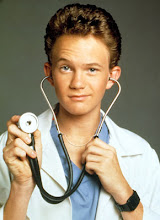
I have a new patient whose son is a doctor.
I should be sympathetic, since I was in the same position when my father was sick.
It's hard to be on the other side.
It's also extremely aggravating to be the doctor and feel like you're being watched like a hawk by the patient's family, second-guessed about everything you're doing, and criticized for things they should know are entirely out of your control.
We took the patient for a test and we were waiting for the results to come back. Every five minutes, he's hovering at the nurse's station-- "did the results come back yet?" "have you checked again for the results?" "can I see the results yet?" "you're not forgetting about my mother, are you?"
No, the results didn't come back yet. I have other patients to deal with as well. And how could I forget about your mother when you're reminding me every thirty seconds that she exists.
I understand that you're worried, I understand that you want to be the one in control, I understand that you're anxious and just trying to do what's best for her-- but wait until I'm actually doing something wrong before you pounce, okay? Wait until I give you a reason to think I don't know what I'm talking about, or she's getting the wrong treatment, or there's something you would do differently.
I don't pretend I'm perfect-- I'm far from perfect, I have very little clue what I'm doing most of the time-- and I'd be happy to have this guy look at his mother's lab results, I'm happy to have him as involved in her care as he wants to be, as long as he's able to work with us in a reasonable way. But I have enough people pulling at me that to have this guy hovering makes it impossible to think. I absolutely want buy-in from him about his mother's treatment, I want him 100% on board with whatever we're doing, we're all working for the same goal, we all want her to get better. It's just hard not to want to shut him out when he seems hell-bent on "catching" me doing something wrong, or on fighting against anything I say. I can't make the test results come back any faster. He should know that. I'm sure he deals with it every day in his own practice. I can't make symptoms magically resolve, I can't make her magically get better. I can only do what I can do, and he should know better than most of these patients what we can and can't do. I know he means well. I just want to punch him, that's all.
Wednesday, April 21, 2010
Tuesday, April 20, 2010
We order the medication, nurses dispense it.
Makes sense, I guess.
Except for one thing.
We're actually not allowed to dispense the medication. We order it, and the nurses have to be the ones who dispense it. And usually that's fine. Except when it's not.
The nurses were at their morning meeting this morning, and one of my patients was feeling very anxious and I wanted to give him some more anti-anxiety meds. I put in the order... but the nurses were in their meeting, so he couldn't get the medication.
I know where the medication is, I'm the doctor who ordered it, I wanted to give it to him.
But I'm not allowed.
I told the patient, I ordered it, it's coming as soon as the nurses get back.
But that's not all that comforting to a patient in need, and makes me feel pretty helpless as the doctor.
There's probably a reason for the system. And usually it works fine. But it's just frustrating when it doesn't.
Makes sense, I guess.
Except for one thing.
We're actually not allowed to dispense the medication. We order it, and the nurses have to be the ones who dispense it. And usually that's fine. Except when it's not.
The nurses were at their morning meeting this morning, and one of my patients was feeling very anxious and I wanted to give him some more anti-anxiety meds. I put in the order... but the nurses were in their meeting, so he couldn't get the medication.
I know where the medication is, I'm the doctor who ordered it, I wanted to give it to him.
But I'm not allowed.
I told the patient, I ordered it, it's coming as soon as the nurses get back.
But that's not all that comforting to a patient in need, and makes me feel pretty helpless as the doctor.
There's probably a reason for the system. And usually it works fine. But it's just frustrating when it doesn't.
Monday, April 19, 2010
"I need to get out of here," one of my patients begged the other day. "I have tickets to Coachella."
I am lame enough that I had to look up Coachella on my iPhone to see what it is. It's weird in one sense to deal with older patients, where I'm basically in a reverse parent-child position, I'm supposed to be the grown-up and explain to them what's going on. But it's weird in an entirely different sense when the patient is the same age as I am, but we live such different lives. I've had patients my age (or younger) who are living lives I see as so much more adult than mine-- two kids, a family, a career they're not still in training for. And then I have patients my age who aren't yet adults, and who see me as "the doctor" as if I'm some important person-- when I could just as well have gone to high school with them. I'm young enough that I would feel a little weird to go to a doctor who's my age, to see a doctor who I could have gone to school with. I want my doctor to seem like an adult, to seem old, wise, experienced. And if I feel that way at this age, I can't imagine how the older patients feel when they see someone like me.
It's just crazy to think that this patient who was hoping to go to Coachella-- in an alternate universe, that could have been me. I could be the guy who goes to music festivals and sleeps in a tent instead of an intern in a hospital, working 28-hour shifts and sleeping on a cot. Okay, maybe it's not that different, I don't know. I have friends who have lives they're still trying to figure out, I have friends who seem middle-aged already-- at some point I assume everyone catches up, everyone gets to the same place. You don't (often) see 50-year-olds who seem like teenagers. An adult is an adult. No? Yes? I used to think we reach a point where we feel like adults, where we know the answers, where every decision isn't so hard, where we don't have to worry so much. And then I see my patients-- who don't know the answers any more than I do. There's a family I'm watching as they struggle to decide whether to withdraw care for their wife and mother and daughter, a woman my age, in an accident, being kept alive by machines-- they don't know the "right" thing to do. They don't have any answers. They also don't have medical insurance, so their decision matrix is kind of insane.
There's an illness going around among the staff. Three of my colleagues vomited on the ward today-- these are doctors throwing up, in between patient visits. Which is disgusting and hazardous to patient health, but we literally do not get sick days-- you need to make up any day you miss, and so you end up losing a weekend down the road-- so you need to be dying to not come to work. So people come to work, and vomit. I am hoping against hope that I don't get this illness too. I think I used a gallon of hand sanitizer today.
I am lame enough that I had to look up Coachella on my iPhone to see what it is. It's weird in one sense to deal with older patients, where I'm basically in a reverse parent-child position, I'm supposed to be the grown-up and explain to them what's going on. But it's weird in an entirely different sense when the patient is the same age as I am, but we live such different lives. I've had patients my age (or younger) who are living lives I see as so much more adult than mine-- two kids, a family, a career they're not still in training for. And then I have patients my age who aren't yet adults, and who see me as "the doctor" as if I'm some important person-- when I could just as well have gone to high school with them. I'm young enough that I would feel a little weird to go to a doctor who's my age, to see a doctor who I could have gone to school with. I want my doctor to seem like an adult, to seem old, wise, experienced. And if I feel that way at this age, I can't imagine how the older patients feel when they see someone like me.
It's just crazy to think that this patient who was hoping to go to Coachella-- in an alternate universe, that could have been me. I could be the guy who goes to music festivals and sleeps in a tent instead of an intern in a hospital, working 28-hour shifts and sleeping on a cot. Okay, maybe it's not that different, I don't know. I have friends who have lives they're still trying to figure out, I have friends who seem middle-aged already-- at some point I assume everyone catches up, everyone gets to the same place. You don't (often) see 50-year-olds who seem like teenagers. An adult is an adult. No? Yes? I used to think we reach a point where we feel like adults, where we know the answers, where every decision isn't so hard, where we don't have to worry so much. And then I see my patients-- who don't know the answers any more than I do. There's a family I'm watching as they struggle to decide whether to withdraw care for their wife and mother and daughter, a woman my age, in an accident, being kept alive by machines-- they don't know the "right" thing to do. They don't have any answers. They also don't have medical insurance, so their decision matrix is kind of insane.
There's an illness going around among the staff. Three of my colleagues vomited on the ward today-- these are doctors throwing up, in between patient visits. Which is disgusting and hazardous to patient health, but we literally do not get sick days-- you need to make up any day you miss, and so you end up losing a weekend down the road-- so you need to be dying to not come to work. So people come to work, and vomit. I am hoping against hope that I don't get this illness too. I think I used a gallon of hand sanitizer today.
Sunday, April 18, 2010
I'm starting this post at 5 AM, in the call room. I'm supposed to be asleep. This is the one stretch of night when maybe I could get some sleep, except I can't. I miss outpatient. Patients get better, or at least they leave. The level of responsibility on outpatient service, I feel like I can handle-- you can ask for help, things aren't happening with such urgency, you can stop and think, you can hand the patient off to a specialist, you can send them to the hospital, you're not alone.
In the ICU, you're alone. Especially on the weekend, and especially overnight. The attending comes in to do his morning rounds, and then he's gone and it's you and the resident. And the resident goes to sleep at 10, and then it's you. Just you.
We have a patient I've gotten to know over the past week. We talked about her grandchildren, we talked for about two hours the other day. I learned her whole life story. I got too close. We thought she was doing better, and this afternoon she started to slip. The attending said we suction her chest every hour, get the fluid out. I told the nurse. I told the nurse three times. I have 12 patients to deal with, we had two codes, we brought someone back to life and we took someone else off the life support equipment tonight. I've talked to seven different patient families. The woman who needs to be suctioned is maybe the 5th sickest patient out of the 12. There are 3 or 4 others who've needed me. I can't be in five places at once. So I told the nurse, suction her every hour, get me if anything changes. I checked in at 10. I checked in at midnight. And by 2 AM, I was falling off my feet. I told the nurse to page me if anything happens, but since nothing was going on-- nothing was urgent-- I needed to try and grab two hours of sleep. We're supposed to be able to. I paged the resident, told her I was going to sleep. She told me that's fine. She was sleeping too.
At 3:30, the phone rings. She's having trouble breathing. When was the last time she was suctioned? Two and a half hours ago.
I ask the nurse, what happened-- oh, I had other patients, I didn't realize, I forgot-- and so we just had to intubate the patient-- for like the third time in three days-- we're torturing her. We're torturing her and I feel like it's my fault. Because it is my fault. I should have made sure. I should have done it myself. I can't be everywhere at once, I can't be awake for 28 hours straight-- but what am I supposed to do? How can I not feel guilty about this? How can I not blame myself? This is my job-- it's my job to not make my patients sicker. And I failed. Because I didn't make 100% sure that this patient was being taken care of, we have to intubate her. Yes, I helped the four patients who were sicker, and yes, I told the nurse-- but can I really look this woman's grandson in the eye and say, oh, I could have suctioned her myself and prevented this, except I wanted to take a nap? If a doctor said that to me, about someone in my family, I'd want to punch them in the face. A nap is more important than this woman living or dying? No. Maybe. I don't know. I can't do this. I can't explain around it. No one would blame me-- no doctor would blame me-- I told the nurse, I told the nurse a million times. The nurse said she was doing it. But it's not like it's her fault either-- she was doing things, she's as overstretched as I am, she had patients to deal with who needed her right then. I don't know who needed her more, I'm not judging-- she wasn't trying to mess up, I feel guilty because I feel like this is on me, not on her. I'm the doctor. But I was also falling over, exhausted, and at 2AM, I wasn't of any use to anyone. We're supposed to be able to sneak in some rest if we can. Jobs we can have the nurses do are fair to have the nurses do-- we're supposed to be able to rely on their support. I didn't think I was failing her, I didn't think I was doing anything wrong.
And she'll be okay, I hope. We're causing discomfort but not damage, she's alive, she's stable-- but how am I supposed to ever go to sleep on an overnight again? I can't do this. The pressure-- the responsibility-- I don't want to be the doctor. I want to take orders and have someone else in position to feel guilty if something goes wrong. And starting in July, when I'm a second year, I'm the one in charge. It's absolutely my resident, right now, who would take the heat instead of me-- I might feel guilty, but she's the one who cleared everything, she told me it's fine to go to sleep, she went to sleep hours earlier, I kept her in the loop, she didn't think I was doing anything I wasn't doing-- I'm not blaming her, but she ought to feel just as guilty as I do. Whether she does or not, I have no idea.
And so now I sit in the call room, waiting for the attending to come in at 8 and yell at someone-- me, the resident, the nurse, I don't know-- or maybe not. Maybe this just happens, all the time, and I'm supposed to accept that we're not perfect and we can't do more than we can do, and I have nothing to feel guilty about. But that's not much comfort, not to me and certainly not to the patient.
This job sucks sometimes.
In the ICU, you're alone. Especially on the weekend, and especially overnight. The attending comes in to do his morning rounds, and then he's gone and it's you and the resident. And the resident goes to sleep at 10, and then it's you. Just you.
We have a patient I've gotten to know over the past week. We talked about her grandchildren, we talked for about two hours the other day. I learned her whole life story. I got too close. We thought she was doing better, and this afternoon she started to slip. The attending said we suction her chest every hour, get the fluid out. I told the nurse. I told the nurse three times. I have 12 patients to deal with, we had two codes, we brought someone back to life and we took someone else off the life support equipment tonight. I've talked to seven different patient families. The woman who needs to be suctioned is maybe the 5th sickest patient out of the 12. There are 3 or 4 others who've needed me. I can't be in five places at once. So I told the nurse, suction her every hour, get me if anything changes. I checked in at 10. I checked in at midnight. And by 2 AM, I was falling off my feet. I told the nurse to page me if anything happens, but since nothing was going on-- nothing was urgent-- I needed to try and grab two hours of sleep. We're supposed to be able to. I paged the resident, told her I was going to sleep. She told me that's fine. She was sleeping too.
At 3:30, the phone rings. She's having trouble breathing. When was the last time she was suctioned? Two and a half hours ago.
I ask the nurse, what happened-- oh, I had other patients, I didn't realize, I forgot-- and so we just had to intubate the patient-- for like the third time in three days-- we're torturing her. We're torturing her and I feel like it's my fault. Because it is my fault. I should have made sure. I should have done it myself. I can't be everywhere at once, I can't be awake for 28 hours straight-- but what am I supposed to do? How can I not feel guilty about this? How can I not blame myself? This is my job-- it's my job to not make my patients sicker. And I failed. Because I didn't make 100% sure that this patient was being taken care of, we have to intubate her. Yes, I helped the four patients who were sicker, and yes, I told the nurse-- but can I really look this woman's grandson in the eye and say, oh, I could have suctioned her myself and prevented this, except I wanted to take a nap? If a doctor said that to me, about someone in my family, I'd want to punch them in the face. A nap is more important than this woman living or dying? No. Maybe. I don't know. I can't do this. I can't explain around it. No one would blame me-- no doctor would blame me-- I told the nurse, I told the nurse a million times. The nurse said she was doing it. But it's not like it's her fault either-- she was doing things, she's as overstretched as I am, she had patients to deal with who needed her right then. I don't know who needed her more, I'm not judging-- she wasn't trying to mess up, I feel guilty because I feel like this is on me, not on her. I'm the doctor. But I was also falling over, exhausted, and at 2AM, I wasn't of any use to anyone. We're supposed to be able to sneak in some rest if we can. Jobs we can have the nurses do are fair to have the nurses do-- we're supposed to be able to rely on their support. I didn't think I was failing her, I didn't think I was doing anything wrong.
And she'll be okay, I hope. We're causing discomfort but not damage, she's alive, she's stable-- but how am I supposed to ever go to sleep on an overnight again? I can't do this. The pressure-- the responsibility-- I don't want to be the doctor. I want to take orders and have someone else in position to feel guilty if something goes wrong. And starting in July, when I'm a second year, I'm the one in charge. It's absolutely my resident, right now, who would take the heat instead of me-- I might feel guilty, but she's the one who cleared everything, she told me it's fine to go to sleep, she went to sleep hours earlier, I kept her in the loop, she didn't think I was doing anything I wasn't doing-- I'm not blaming her, but she ought to feel just as guilty as I do. Whether she does or not, I have no idea.
And so now I sit in the call room, waiting for the attending to come in at 8 and yell at someone-- me, the resident, the nurse, I don't know-- or maybe not. Maybe this just happens, all the time, and I'm supposed to accept that we're not perfect and we can't do more than we can do, and I have nothing to feel guilty about. But that's not much comfort, not to me and certainly not to the patient.
This job sucks sometimes.
Friday, April 16, 2010
I'm off today. I work tomorrow overnight, from Saturday morning until Sunday morning, so I get Friday off. It's my one day non-weekend weekend.
I'm going on a date tonight. It's probably a bad idea. I'm drained from being in the ICU. I have to get up early tomorrow for my 28-hour shift. I haven't done laundry in two weeks, so I'm repeating socks. The only thing I feel capable of talking about is work. And my date isn't a doctor. It's semi-complicated, but she's my friend's sister-in-law's sister, or something like that. My friend met her once and thought we might be a match. I don't know what qualities made her believe this, but I told her I'm up for anything.
I can't repeat socks. It's gross. I'm actually going to get in my car and drive to a store and buy new socks, just for this date. I'm using my day off to buy socks. Perhaps I should use my day off to do laundry, but it's faster to buy socks, and I don't have enough quarters anyway. And I hate doing laundry.
I don't think I've been to a non-food-related store in six months. I almost don't want to break the streak. I look at my credit card statements each month and it's ridiculous. Grocery store, gas station, grocery store, gas station, the occasional (very occasional) movie ticket, the occasional used medical book from Amazon.com so I can seem like I know what I'm talking about on rounds, grocery store, gas station, grocery store. Awesome.
I'm going on a date tonight. It's probably a bad idea. I'm drained from being in the ICU. I have to get up early tomorrow for my 28-hour shift. I haven't done laundry in two weeks, so I'm repeating socks. The only thing I feel capable of talking about is work. And my date isn't a doctor. It's semi-complicated, but she's my friend's sister-in-law's sister, or something like that. My friend met her once and thought we might be a match. I don't know what qualities made her believe this, but I told her I'm up for anything.
I can't repeat socks. It's gross. I'm actually going to get in my car and drive to a store and buy new socks, just for this date. I'm using my day off to buy socks. Perhaps I should use my day off to do laundry, but it's faster to buy socks, and I don't have enough quarters anyway. And I hate doing laundry.
I don't think I've been to a non-food-related store in six months. I almost don't want to break the streak. I look at my credit card statements each month and it's ridiculous. Grocery store, gas station, grocery store, gas station, the occasional (very occasional) movie ticket, the occasional used medical book from Amazon.com so I can seem like I know what I'm talking about on rounds, grocery store, gas station, grocery store. Awesome.
Thursday, April 15, 2010
We have two patients in the same room with similar names.
To avoid confusion, the attending decided to move one of them to a different room.
I go in to tell the family.
"Oh, no," the patient's sister says. "I'm not having her move into THAT room. I was talking to the family of the patient in that room, and she has something terrible. I don't want my sister to catch that. She's staying right here."
"What the other patient has isn't contagious. I assure you, it's no less safe than this room. We clean the rooms, we take every precaution we can. She's at more risk staying here and being confused for her roommate."
"Well, she's not moving. I know how germs work. They get in the air."
"That's not how germs work. She's not going to catch anything from the other patient. Her condition is not contagious."
"I don't care what you say, she's not moving. Not to that room. That's a sick room."
"You're in a hospital. These are all sick rooms."
"Not like that one."
"Ma'am, I assure you. There have been patients in THIS room with things a lot worse. Every room in here has had people with very serious illnesses, often contagious. You're in a hospital. We clean the rooms between patients. We take precautions. One room is not sicker than another room, I promise."
"Well, she's not moving."
It's one thing to have legitimate concerns with patient care-- I'm not going to pretend we're perfect, I'm not going to pretend everything always goes smoothly. But how about separating real problems from fake problems, so at least we can fight real battles and not crazy ones. Good grief.
To avoid confusion, the attending decided to move one of them to a different room.
I go in to tell the family.
"Oh, no," the patient's sister says. "I'm not having her move into THAT room. I was talking to the family of the patient in that room, and she has something terrible. I don't want my sister to catch that. She's staying right here."
"What the other patient has isn't contagious. I assure you, it's no less safe than this room. We clean the rooms, we take every precaution we can. She's at more risk staying here and being confused for her roommate."
"Well, she's not moving. I know how germs work. They get in the air."
"That's not how germs work. She's not going to catch anything from the other patient. Her condition is not contagious."
"I don't care what you say, she's not moving. Not to that room. That's a sick room."
"You're in a hospital. These are all sick rooms."
"Not like that one."
"Ma'am, I assure you. There have been patients in THIS room with things a lot worse. Every room in here has had people with very serious illnesses, often contagious. You're in a hospital. We clean the rooms between patients. We take precautions. One room is not sicker than another room, I promise."
"Well, she's not moving."
It's one thing to have legitimate concerns with patient care-- I'm not going to pretend we're perfect, I'm not going to pretend everything always goes smoothly. But how about separating real problems from fake problems, so at least we can fight real battles and not crazy ones. Good grief.
Wednesday, April 14, 2010
Physical handicap does not mean mental handicap. You'd think that of all places, people who work in a hospital would realize this. But they don't. One of my patients this week is recovering from an accident that has unfortunately left her paralyzed from the neck down. She's entirely competent mentally, she just can't move her arms and legs.
And she's treated like she's blind, deaf, and dumb.
I took her for a scan, and the tech needed to see her consent form. I told him I'd marked the signature line with an x and written that she was paralyzed. He looks at it, shakes his head. "This won't work. She needs to sign it."
"She can't sign it."
He looks at the patient. Screams, slowly, "DO YOU KNOW WHERE YOU ARE?"
She looks at him. "Yes. I consent to the test."
The tech looks back at me. "Does she understand what she's saying?"
"Yes. Her brain is fine."
"Well, I can't do this without a signature."
"She can't sign the form."
"Then put the pen in her hand and move it yourself."
"What?"
"We need a signature."
He yells at the patient again: "WE NEED A SIGNATURE. DO YOU KNOW YOUR NAME?"
"She's not deaf."
"Well, she's not moving."
"That's right. She's paralyzed."
"DO YOU KNOW YOU ARE PARALYZED?"
She nods her head.
"Was that a nod, or an involuntary reaction?"
"She can hear you."
"Then why can't she sign the form?"
And she's treated like she's blind, deaf, and dumb.
I took her for a scan, and the tech needed to see her consent form. I told him I'd marked the signature line with an x and written that she was paralyzed. He looks at it, shakes his head. "This won't work. She needs to sign it."
"She can't sign it."
He looks at the patient. Screams, slowly, "DO YOU KNOW WHERE YOU ARE?"
She looks at him. "Yes. I consent to the test."
The tech looks back at me. "Does she understand what she's saying?"
"Yes. Her brain is fine."
"Well, I can't do this without a signature."
"She can't sign the form."
"Then put the pen in her hand and move it yourself."
"What?"
"We need a signature."
He yells at the patient again: "WE NEED A SIGNATURE. DO YOU KNOW YOUR NAME?"
"She's not deaf."
"Well, she's not moving."
"That's right. She's paralyzed."
"DO YOU KNOW YOU ARE PARALYZED?"
She nods her head.
"Was that a nod, or an involuntary reaction?"
"She can hear you."
"Then why can't she sign the form?"
Tuesday, April 13, 2010
"We found something on your pancreas. We need to take further tests."
"What is it?"
"We don't know. That's why we need to do more tests."
"No, I mean my pancreas. What is that?"
"It's an organ in your body. It produces insulin and other things your body needs."
"Like the liver?"
"It's different from the liver, but, sure, it's an organ, and so is the liver."
"I had a problem with my gall bladder a few years ago. Is this the same thing?"
"No, that's a different organ. We're talking about the pancreas today."
"Do I really need it?"
"The pancreas? Yeah, it's important."
"But my heart is fine."
"Yes, but--"
"Well, that's the important one."
"No, the pancreas is important. We need to run some more tests to see what's going on."
"As long as it's not my heart."
We need some sort of basic medical education class taught in grade school. It's crazy, we make people learn math and foreign languages, but people can finish school without knowing what's going on in their body, at even the most basic level. Yes, there's high school biology, but that's not really about the human body and how to take care of it and what's important to know. There's health ed, but that's very limited. I don't know, so many of my patients know less than nothing-- they don't know what cholesterol is and what foods have it, they don't know they have two lungs, two kidneys, one heart, one liver.
Here I was, thinking I would have to calm this patient down because we think she might have pancreatic cancer. Instead, I felt like shaking her and telling her, hey, you should be worried. This might be serious. But she's like, oh, if it's not my heart, I'm fine. No, you're not! The heart is only one organ! You have others! They're important! Argh.
"What is it?"
"We don't know. That's why we need to do more tests."
"No, I mean my pancreas. What is that?"
"It's an organ in your body. It produces insulin and other things your body needs."
"Like the liver?"
"It's different from the liver, but, sure, it's an organ, and so is the liver."
"I had a problem with my gall bladder a few years ago. Is this the same thing?"
"No, that's a different organ. We're talking about the pancreas today."
"Do I really need it?"
"The pancreas? Yeah, it's important."
"But my heart is fine."
"Yes, but--"
"Well, that's the important one."
"No, the pancreas is important. We need to run some more tests to see what's going on."
"As long as it's not my heart."
We need some sort of basic medical education class taught in grade school. It's crazy, we make people learn math and foreign languages, but people can finish school without knowing what's going on in their body, at even the most basic level. Yes, there's high school biology, but that's not really about the human body and how to take care of it and what's important to know. There's health ed, but that's very limited. I don't know, so many of my patients know less than nothing-- they don't know what cholesterol is and what foods have it, they don't know they have two lungs, two kidneys, one heart, one liver.
Here I was, thinking I would have to calm this patient down because we think she might have pancreatic cancer. Instead, I felt like shaking her and telling her, hey, you should be worried. This might be serious. But she's like, oh, if it's not my heart, I'm fine. No, you're not! The heart is only one organ! You have others! They're important! Argh.
Monday, April 12, 2010
I covered someone's clinic shift today-- the ICU is slow this week, so they're moving us around as needed. She comes in, she's complaining of chronic knee pain. She's seen two other doctors in the past six months, no one had any answers for her. I'm doing a history.
"What kind of work do you do?"
"I work in a hotel."
"What do you do there?"
"I clean the rooms."
"So you're on your knees a lot?"
"Yes."
"Your knees hurt when you're not at work?"
"No. Just at work."
I think we've found our answer. For this, four years of medical school.
"What kind of work do you do?"
"I work in a hotel."
"What do you do there?"
"I clean the rooms."
"So you're on your knees a lot?"
"Yes."
"Your knees hurt when you're not at work?"
"No. Just at work."
I think we've found our answer. For this, four years of medical school.
Sunday, April 11, 2010
I'm about a third of the way through my 27 hour shift. Working overnight tonight. Taking 15 minutes for lunch. At 3:00. Because no one is crashing. For now. Hopefully I'll be able to get some sleep somewhere in the midnight to 6AM range, but since I have to write a dozen patient notes, I'm thinking maybe I won't. At least I hope I'm able to order in some dinner at some point. My lunch is sad. Vending machine sad. And someone brought in donuts. So I'm eating Doritos and a chocolate donut, plus a leftover Jello from one of my patient's trays (he's in a coma, so he won't be eating it). If he's still here for dinner (and still in a coma), I'm getting his chicken (I filled out the meal card for him-- chicken seemed safer than the fish).
Friday, April 9, 2010
I got a page from a surgery resident as I was signing out-- called back, thinking it was something important, and half of it was--
"[Your patient] didn't survive the procedure. Oh, and the intern on my team wants to know if you're single."
This is why mixing work and a personal life is confusing. I'm supposed to go back to this patient's family and tell them their husband/father died, and I'm also supposed to be thinking about whether I want to go out with the surgical intern.
I probably don't. Surgeons are way too intense.
Lesson: If your doctor seems distracted when he's telling you bad news, remember that he may also be thinking about whether to ask out the intern who watched your family member die.
"[Your patient] didn't survive the procedure. Oh, and the intern on my team wants to know if you're single."
This is why mixing work and a personal life is confusing. I'm supposed to go back to this patient's family and tell them their husband/father died, and I'm also supposed to be thinking about whether I want to go out with the surgical intern.
I probably don't. Surgeons are way too intense.
Lesson: If your doctor seems distracted when he's telling you bad news, remember that he may also be thinking about whether to ask out the intern who watched your family member die.
Thursday, April 8, 2010
I survived my first of seven overnights that I'll have this month. Two of my patients, unfortunately, did not.
I feel like over the months of outpatient, I got some of my empathy back-- I started to care about the patients again, I started to develop some relationships with patients I saw multiple times, I learned about their lives, I felt like their doctor-- their actual, real doctor. They called me their doctor, they said they'd called specifically to make an appointment with me, they asked if I'd be there next time they had a follow-up visit. I was sad when their test results came back poorly. I was pleased when they made progress-- cholesterol a little lower, rash went away, anti-depressants seem to be working.
And now, back in the ICU, I feel like I'm forced to be a robot.
There was a family there all night, at their daughter's bedside. She was brought in barely conscious, most likely a drug overdose. We stabilized her and after a couple of hours she seemed to be doing better, was alert and talking. But we think she had more drugs on her in the hospital and took them while no one was watching-- because an hour later, she was doing poorly again and no one was quite sure why. We ended up having to shock her heart back twice, and the second time she was without oxygen for long enough that we were pretty sure there was brain damage. Her liver enzymes came back crazy elevated, she's in terrible shape, on a ventilator, almost no brain activity-- and her parents just didn't understand what was going on, no matter how I tried to explain it.
"There could be a miracle, right?"
"The machine is breathing for her, and there's almost no brain activity. Her liver isn't working--"
"Couldn't we do a liver transplant?"
I had to take a beat before I answered, so I wouldn't say anything that would make the parents feel worse than they already did. "She wouldn't be a candidate for a transplant, given that she isn't breathing on her own."
"And because of the drugs?"
"The drugs aren't the issue right now, but, sure, she wouldn't be a candidate because of the drugs."
"But what if one of us gave her a piece of our liver?"
"I applaud your instincts to help your daughter-- but a liver transplant wouldn't solve her problems. Her problems right now are much bigger than that. She may well be brain-dead. I think we should talk about what she would want in this situation, and how long we should continue to keep her on the ventilator."
"But if we take her off the ventilator, she'll die."
"That's correct."
"Then how dare you suggest it."
I gave them some time to be with her while I dealt with the patient across the hall, in equally bad shape. A few hours later, I think it had started to sink in.
"She's not going to wake up, is she?"
"Unfortunately, she isn't."
"And the machine is all that's keeping her alive-- and it's really not much of a life."
"That's right."
By the morning, when the shift changed, they seemed finally willing to withdraw support. I'll find out tomorrow what happened. But they thanked me as I was leaving, for spending time with them and explaining what was going on. I suppose that should have felt good, but of course it didn't. I don't want to spend my days explaining to parents that their children are dying. Only 3 and a half more weeks of the ICU.
I feel like over the months of outpatient, I got some of my empathy back-- I started to care about the patients again, I started to develop some relationships with patients I saw multiple times, I learned about their lives, I felt like their doctor-- their actual, real doctor. They called me their doctor, they said they'd called specifically to make an appointment with me, they asked if I'd be there next time they had a follow-up visit. I was sad when their test results came back poorly. I was pleased when they made progress-- cholesterol a little lower, rash went away, anti-depressants seem to be working.
And now, back in the ICU, I feel like I'm forced to be a robot.
There was a family there all night, at their daughter's bedside. She was brought in barely conscious, most likely a drug overdose. We stabilized her and after a couple of hours she seemed to be doing better, was alert and talking. But we think she had more drugs on her in the hospital and took them while no one was watching-- because an hour later, she was doing poorly again and no one was quite sure why. We ended up having to shock her heart back twice, and the second time she was without oxygen for long enough that we were pretty sure there was brain damage. Her liver enzymes came back crazy elevated, she's in terrible shape, on a ventilator, almost no brain activity-- and her parents just didn't understand what was going on, no matter how I tried to explain it.
"There could be a miracle, right?"
"The machine is breathing for her, and there's almost no brain activity. Her liver isn't working--"
"Couldn't we do a liver transplant?"
I had to take a beat before I answered, so I wouldn't say anything that would make the parents feel worse than they already did. "She wouldn't be a candidate for a transplant, given that she isn't breathing on her own."
"And because of the drugs?"
"The drugs aren't the issue right now, but, sure, she wouldn't be a candidate because of the drugs."
"But what if one of us gave her a piece of our liver?"
"I applaud your instincts to help your daughter-- but a liver transplant wouldn't solve her problems. Her problems right now are much bigger than that. She may well be brain-dead. I think we should talk about what she would want in this situation, and how long we should continue to keep her on the ventilator."
"But if we take her off the ventilator, she'll die."
"That's correct."
"Then how dare you suggest it."
I gave them some time to be with her while I dealt with the patient across the hall, in equally bad shape. A few hours later, I think it had started to sink in.
"She's not going to wake up, is she?"
"Unfortunately, she isn't."
"And the machine is all that's keeping her alive-- and it's really not much of a life."
"That's right."
By the morning, when the shift changed, they seemed finally willing to withdraw support. I'll find out tomorrow what happened. But they thanked me as I was leaving, for spending time with them and explaining what was going on. I suppose that should have felt good, but of course it didn't. I don't want to spend my days explaining to parents that their children are dying. Only 3 and a half more weeks of the ICU.
Wednesday, April 7, 2010
Am here in the hospital, on call overnight.
In theory, there is a cot for me to sleep on. In practice, there will be no sleeping. Partly because too many of the patients are going downhill fast, and partly because the cot is absolutely filthy. There's either chocolate pudding on the sheets or... something that isn't chocolate pudding. And I'm going to insist it's chocolate pudding. Please let it be chocolate pudding. Or whatever, I'm not sleeping on it anyway.
Two families are here overnight, two patients who may or may not make it to the morning. One family understands what's going on, the other doesn't. The lesson here, drugs are bad news. In the private hospital, so many of the patients we see are there because of bad luck, twists of fate, illnesses beyond their control-- cancer they didn't do anything to cause, etc. In the public hospital, it was alcoholics when I was on regular floors, and in the ICU it's drug addicts. Normal 35-year-olds don't go into cardiac arrest. Normal 35-year-olds don't have liver enzymes off the chart. Under normal wear and tear, the body takes years to fail. 35-year-olds, even morbidly obese smokers, can still be doing okay. By 50, they may not be, and by 65 they almost certainly aren't, but at 35 the body can take a lot. Not if you smoke crack. Sorry. Forget about bringing kids to prisons to scare them into behaving-- bring them to the ICU and show them what these people have done to themselves. I do know some doctors who smoke, and don't understand how they can do it. I know doctors who drink, and don't understand how they can do it. But not even a moron could be a doctor and see the patients I've seen this week and decide that heroin or crack are safe enough to try even just once. You may as well throw yourself off a bridge.
In other news, my mother is trying to set me up with her friend's daughter's best friend (I think that's the connection), who just found out she'll be starting here as an intern this summer. We just became Facebook friends. So that's a start, right?
In theory, there is a cot for me to sleep on. In practice, there will be no sleeping. Partly because too many of the patients are going downhill fast, and partly because the cot is absolutely filthy. There's either chocolate pudding on the sheets or... something that isn't chocolate pudding. And I'm going to insist it's chocolate pudding. Please let it be chocolate pudding. Or whatever, I'm not sleeping on it anyway.
Two families are here overnight, two patients who may or may not make it to the morning. One family understands what's going on, the other doesn't. The lesson here, drugs are bad news. In the private hospital, so many of the patients we see are there because of bad luck, twists of fate, illnesses beyond their control-- cancer they didn't do anything to cause, etc. In the public hospital, it was alcoholics when I was on regular floors, and in the ICU it's drug addicts. Normal 35-year-olds don't go into cardiac arrest. Normal 35-year-olds don't have liver enzymes off the chart. Under normal wear and tear, the body takes years to fail. 35-year-olds, even morbidly obese smokers, can still be doing okay. By 50, they may not be, and by 65 they almost certainly aren't, but at 35 the body can take a lot. Not if you smoke crack. Sorry. Forget about bringing kids to prisons to scare them into behaving-- bring them to the ICU and show them what these people have done to themselves. I do know some doctors who smoke, and don't understand how they can do it. I know doctors who drink, and don't understand how they can do it. But not even a moron could be a doctor and see the patients I've seen this week and decide that heroin or crack are safe enough to try even just once. You may as well throw yourself off a bridge.
In other news, my mother is trying to set me up with her friend's daughter's best friend (I think that's the connection), who just found out she'll be starting here as an intern this summer. We just became Facebook friends. So that's a start, right?
Tuesday, April 6, 2010
"You're going to need to call the medical examiner," said the woman in the Office of Decedent Affairs (a very restrained name they've given to the Death Office).
I have seven patients who are still alive, six notes to write, orders to enter-- so calling the medical examiner to find out if she wants to investigate the extremely un-mysterious circumstances of my patient's death went to the bottom of my list.
Three hours later, the woman calls me back. "Have you talked to the medical examiner yet?"
"No, I haven't had a chance."
"Well, we can't move the body until you do, and unless you call them in the next fifteen minutes, we're going to be wheeling another patient into that room and she can lie there, right next to the corpse."
So I called. And, of course, the medical examiner had no interest in a guy who died of a massive heart attack ("no murder, no intrigue, no interest"). But transport didn't get there to move the body for two more hours anyway, so we had a patient in the hall for half the afternoon, while a corpse was waiting in her room for removal.
I have seven patients who are still alive, six notes to write, orders to enter-- so calling the medical examiner to find out if she wants to investigate the extremely un-mysterious circumstances of my patient's death went to the bottom of my list.
Three hours later, the woman calls me back. "Have you talked to the medical examiner yet?"
"No, I haven't had a chance."
"Well, we can't move the body until you do, and unless you call them in the next fifteen minutes, we're going to be wheeling another patient into that room and she can lie there, right next to the corpse."
So I called. And, of course, the medical examiner had no interest in a guy who died of a massive heart attack ("no murder, no intrigue, no interest"). But transport didn't get there to move the body for two more hours anyway, so we had a patient in the hall for half the afternoon, while a corpse was waiting in her room for removal.
Monday, April 5, 2010
First day in the ICU. I have a patient who looks like an elephant. 500 pounds, thick, wrinkled skin, legs like tree trunks. Besides just the health consequences of being that big, there are problems beyond that-- there's a limit to what we can do to treat him. He doesn't fit in the CT scanner. He needs a scan, but we can't give it to him. X-rays aren't revealing because he has so much soft tissue. We can't get much of a read with the echocardiogram-- it can't penetrate all the fat. He's in the hospital with a problem that should have been found early and treated-- but he has so much skin and so much of it is hidden from view, folded over itself, that problems can fester without being identified. He can't really clean himself, he's barely mobile, and we can't really get to the bottom of things because we can't give him the diagnostic tests he needs. Beyond that, there are psych issues-- it's pretty hard to get as large as he is without psych issues. He's going to die here-- hopefully not this visit, but unfortunately if it's not this, it will be something else, and probably soon.
The ICU is terribly sad. After months on the outpatient service and on normal hospital floors, it's been easy to forget just how sick a lot of patients are. There are rapid responses every day here. People die. They don't get better and leave. But, oddly enough, from the doctor's perspective, in a lot of ways this is a better rotation than normal floors. They put better nurses here, there are more fellows, more attendings here for more hours, you're not as alone. Fewer patients, fewer notes to write. Shorter hours, even. Although the overnights will not be much fun. At all.
The ICU is terribly sad. After months on the outpatient service and on normal hospital floors, it's been easy to forget just how sick a lot of patients are. There are rapid responses every day here. People die. They don't get better and leave. But, oddly enough, from the doctor's perspective, in a lot of ways this is a better rotation than normal floors. They put better nurses here, there are more fellows, more attendings here for more hours, you're not as alone. Fewer patients, fewer notes to write. Shorter hours, even. Although the overnights will not be much fun. At all.
Saturday, April 3, 2010
"A few weeks ago I felt a terrible pain in my chest, but it eventually went away so I decided not to go to the doctor. You think my heart is ok?"
Well, if it's not, it's too late for us to do anything about it now! If you think you're having a heart attack, seek medical attention while it's happening, not a few weeks later, after the damage has been done and the best we can do is an EKG to see if anything shows up. This woman probably didn't have a heart attack-- my best guess from her more detailed description is that she ate something that didn't sit well-- but still, it's not terribly useful to tell me about things that happened weeks ago and went away.
Well, if it's not, it's too late for us to do anything about it now! If you think you're having a heart attack, seek medical attention while it's happening, not a few weeks later, after the damage has been done and the best we can do is an EKG to see if anything shows up. This woman probably didn't have a heart attack-- my best guess from her more detailed description is that she ate something that didn't sit well-- but still, it's not terribly useful to tell me about things that happened weeks ago and went away.
Friday, April 2, 2010
We had a two-hour lecture this morning... about diarrhea. Complete with slide show.
Seriously, there are days this feels like a pretty lousy profession. All we do is deal in people's yuck. Their discharges, and pustules, and mucus, and blood, and vomit, and bile, and poop. Oh boy. If you have something disgusting going on with your body, you come see me, and I have to look at it, and think about it, and revisit it in my nightmares. No one ever comes to us with pleasant problems to solve. There are very few clean illnesses. And, in fact, the 'clean' illnesses are usually the worst ones. Neurological issues, degenerative diseases, etc. From a patient's perspective, you want the messy ones. Or at least some of them. The messy ones we can sometimes solve. You have blood, we have stitches. You have poop, we have medicine. You have something we can't see? You might be in trouble. But it can get really stinky and gross, very very quickly. I have a weak stomach. I get woozy. It's not the best trait for a doctor, I know. Diarrhea is really disgusting.
Seriously, there are days this feels like a pretty lousy profession. All we do is deal in people's yuck. Their discharges, and pustules, and mucus, and blood, and vomit, and bile, and poop. Oh boy. If you have something disgusting going on with your body, you come see me, and I have to look at it, and think about it, and revisit it in my nightmares. No one ever comes to us with pleasant problems to solve. There are very few clean illnesses. And, in fact, the 'clean' illnesses are usually the worst ones. Neurological issues, degenerative diseases, etc. From a patient's perspective, you want the messy ones. Or at least some of them. The messy ones we can sometimes solve. You have blood, we have stitches. You have poop, we have medicine. You have something we can't see? You might be in trouble. But it can get really stinky and gross, very very quickly. I have a weak stomach. I get woozy. It's not the best trait for a doctor, I know. Diarrhea is really disgusting.
Thursday, April 1, 2010
Sorry for the delay in new posts. Outpatient service, combined with the family stuff-- just haven't had much to say. Should change as the schedule does-- I start in the ICU this weekend. Every 4th night overnight. Can't wait.
No, I'm serious. Part of me can't wait. Outpatient is boring. If I had a life, maybe it wouldn't be. But I don't, so it is.
Forgot to mention another reason for the slowdown. I was seeing someone. Another intern. I liked her. Thought she liked me. She broke it off yesterday, said she didn't have time for a relationship, thought I'd figure out soon enough that she wasn't worth my time. It's weird, to be a doctor you need some degree of confidence on the academic side, some degree of accomplishment, drive, motivation. On the social side? Not so much. She thought I'd figure out it wasn't worth my time? That's a cop-out. I can decide for myself whether something's worth my time or not. But what can I do? We a few nice weeks. I almost felt like an adult, with a job and a relationship-- not really anything in the extra-curricular department, but still, almost a life. Now, back to the ICU and back to the job being the only thing I've got going. So I figured I ought to return to the blog, right? Posting every day in April, I'll make that a promise.
I had a patient in clinic today, crazy high blood pressure. "It's because I walked all the way from the parking lot," she said. People don't understand blood pressure. "It's high because I'm nervous." / "It's high because I just ate lunch." / "It's high because I have to go to the bathroom." I've heard all of them. They don't make sense. We have this strange compulsion to be able to explain things. It's fine if you have knowledge. Smart people can make educated guesses and sometimes they're right. But if you have no background, no understanding of how the body works-- like most of the patients in clinic-- you're just about never going to make any sense, no matter how much you think you do. A patient came in earlier in the month, ended up hospitalized with anemia. She comes back for a follow-up today, she isn't taking her iron supplements. "Why not?" "I'm drinking tea. The Internet said tea is good for anemia." "Your iron is still really low." "I didn't drink the tea today." "Please take the pills." "I don't need them." "No, you do. I promise, you do. I'm the doctor. Please listen to me. I know what I'm talking about." Trust me, trust your doctor. Not blindly, of course. We're human. But the easy stuff? We do know things. Medication, we're pretty good at. We tell you that you need something, you probably do. Ask questions, fine. I'm happy to explain, to a point. But take the pill. Please. Just take it. Don't worry about it, don't stress-- just take it, be happy, and get on with your life. Patient recovering from surgery comes in, "I'm in terrible pain." "Taking the pain pills?" "No, I don't like taking medicine." Medicine's all I got. I gave you the pain pills to take away the pain. You don't want them, it's your choice, I guess-- but then you can't complain about the pain. I gave you an answer. You're just choosing to ignore it. And then you blame me for not making you better. Ugh.
No, I'm serious. Part of me can't wait. Outpatient is boring. If I had a life, maybe it wouldn't be. But I don't, so it is.
Forgot to mention another reason for the slowdown. I was seeing someone. Another intern. I liked her. Thought she liked me. She broke it off yesterday, said she didn't have time for a relationship, thought I'd figure out soon enough that she wasn't worth my time. It's weird, to be a doctor you need some degree of confidence on the academic side, some degree of accomplishment, drive, motivation. On the social side? Not so much. She thought I'd figure out it wasn't worth my time? That's a cop-out. I can decide for myself whether something's worth my time or not. But what can I do? We a few nice weeks. I almost felt like an adult, with a job and a relationship-- not really anything in the extra-curricular department, but still, almost a life. Now, back to the ICU and back to the job being the only thing I've got going. So I figured I ought to return to the blog, right? Posting every day in April, I'll make that a promise.
I had a patient in clinic today, crazy high blood pressure. "It's because I walked all the way from the parking lot," she said. People don't understand blood pressure. "It's high because I'm nervous." / "It's high because I just ate lunch." / "It's high because I have to go to the bathroom." I've heard all of them. They don't make sense. We have this strange compulsion to be able to explain things. It's fine if you have knowledge. Smart people can make educated guesses and sometimes they're right. But if you have no background, no understanding of how the body works-- like most of the patients in clinic-- you're just about never going to make any sense, no matter how much you think you do. A patient came in earlier in the month, ended up hospitalized with anemia. She comes back for a follow-up today, she isn't taking her iron supplements. "Why not?" "I'm drinking tea. The Internet said tea is good for anemia." "Your iron is still really low." "I didn't drink the tea today." "Please take the pills." "I don't need them." "No, you do. I promise, you do. I'm the doctor. Please listen to me. I know what I'm talking about." Trust me, trust your doctor. Not blindly, of course. We're human. But the easy stuff? We do know things. Medication, we're pretty good at. We tell you that you need something, you probably do. Ask questions, fine. I'm happy to explain, to a point. But take the pill. Please. Just take it. Don't worry about it, don't stress-- just take it, be happy, and get on with your life. Patient recovering from surgery comes in, "I'm in terrible pain." "Taking the pain pills?" "No, I don't like taking medicine." Medicine's all I got. I gave you the pain pills to take away the pain. You don't want them, it's your choice, I guess-- but then you can't complain about the pain. I gave you an answer. You're just choosing to ignore it. And then you blame me for not making you better. Ugh.
Sunday, March 21, 2010
I haven't posted in a week because I've been dealing with a family medical issue, and have been realizing what a tremendous ordeal it is to be on the patient side of things-- or at least the family side of things. And that even when you're a doctor, even when you're part of the system-- it still doesn't necessarily make things much easier.
My dad had a routine medical procedure performed a couple of weeks ago-- the details don't matter-- and was still feeling some pain at the wound site this past Monday, so he went to the doctor, was sent for an ultrasound, and they discovered a small leak in a blood vessel-- an unusual but not unheard-of complication from the procedure. He was sent to a vascular surgeon for a simple injection-- the standard treatment-- and somehow everything went awry.
From what I was able to gather, the surgeon was in a bit of a rush, a packed day of patients, and should have realized that this particular leak-- due to size and placement-- was not a good candidate for the injection, and he should have scheduled a very minor outpatient surgery to deal with the problem. Instead, he decided to go ahead with the injection, and it immediately caused a blood clot, stopping flow to my dad's entire leg and causing him to need to be rushed into emergency surgery to save the limb.
If this wasn't enough-- while in the recovery room from this surgery, after my mom had gone home, thinking everything was okay-- they discovered my dad was rapidly losing blood, and had to go back in and do a second surgery-- the surgeon (same guy who had botched the injection) had ineffectively tied off a vein in the first surgery-- the tie came loose-- and they had to repair that, and in the process replace 4 units of blood he lost.
Fortunately, this surgery seems to have gone well, with no further complications, and as of this morning, he's out of the hospital-- albeit in pain and with restricted activity for the next 6 weeks-- and doing well.
Beyond questioning the actual competence of the doctor-- the botched injection and improperly tied-off vein in the surgery-- what truly disappointed mewas the lack of communication and accountability throughout the process. When my dad was rushed into the second surgery, my mom received a phone call saying he needed another procedure-- was not told the extent of the problem, nor what had happened in the first surgery to make this one necessary-- and was promised she would be called with an update. She wasn't, and was up the entire night assuming the worst. At the same time, throughout the hospital stay, I was unable to get anyone on the phone to tell me anything, despite being a doctor, despite having attendings here call on my behalf, despite trying to explain that I merely wanted the information about what was going on, and wasn't trying to blame the surgeon.
Immediately after the injection, the surgeon's first priority became protecting himself-- from any criticism, from any accountability, from any possibility of blame-- by making it impossible to get any information from him. The morning after the second surgery, after trying unsuccessfully to get him on the phone, I sent him an e-mail-- explaining I was my dad's health care proxy, I wanted to talk to him about what had happened, I was disappointed my family was not kept in the loop overnight to know what was going on and whether my dad was alive or dead, I wanted to know the risks going forward, the treatment plan. 12 hours later I received a response saying he does not communicate with patients via e-mail and that his first priority is patient care and not "coddling the family." Again I tried calling and could not reach him-- it was not until I got the head of the resident program at my hospital to place a call that I was able to get a response, and that response was severely lacking.
The lesson learned-- and I've changed a lot of details here, so I don't want to get into the medicine specifically-- the lesson learned for me as a doctor has been about communication. Problems get worse when families aren't kept in the loop. They don't always know how you best like to communicate, they don't always know the questions to ask, they don't necessarily how to reach you, and it shouldn't be their responsibility, it should be ours. Having seen how anxious my mom became, how out of the loop I felt even as a doctor-- I realize that even on the medicine side (as opposed to surgery), it's on me to reach out, it's on me to share promptly and completely, and not to always put "call patient's family" at the bottom of the list. Better to over-communicate than under-communicate. Better to assure them you're on their side instead of fighting against them and treating them as a nuisance. I will communicate more, after this. I will learn a lesson even if that surgeon won't.
My dad had a routine medical procedure performed a couple of weeks ago-- the details don't matter-- and was still feeling some pain at the wound site this past Monday, so he went to the doctor, was sent for an ultrasound, and they discovered a small leak in a blood vessel-- an unusual but not unheard-of complication from the procedure. He was sent to a vascular surgeon for a simple injection-- the standard treatment-- and somehow everything went awry.
From what I was able to gather, the surgeon was in a bit of a rush, a packed day of patients, and should have realized that this particular leak-- due to size and placement-- was not a good candidate for the injection, and he should have scheduled a very minor outpatient surgery to deal with the problem. Instead, he decided to go ahead with the injection, and it immediately caused a blood clot, stopping flow to my dad's entire leg and causing him to need to be rushed into emergency surgery to save the limb.
If this wasn't enough-- while in the recovery room from this surgery, after my mom had gone home, thinking everything was okay-- they discovered my dad was rapidly losing blood, and had to go back in and do a second surgery-- the surgeon (same guy who had botched the injection) had ineffectively tied off a vein in the first surgery-- the tie came loose-- and they had to repair that, and in the process replace 4 units of blood he lost.
Fortunately, this surgery seems to have gone well, with no further complications, and as of this morning, he's out of the hospital-- albeit in pain and with restricted activity for the next 6 weeks-- and doing well.
Beyond questioning the actual competence of the doctor-- the botched injection and improperly tied-off vein in the surgery-- what truly disappointed mewas the lack of communication and accountability throughout the process. When my dad was rushed into the second surgery, my mom received a phone call saying he needed another procedure-- was not told the extent of the problem, nor what had happened in the first surgery to make this one necessary-- and was promised she would be called with an update. She wasn't, and was up the entire night assuming the worst. At the same time, throughout the hospital stay, I was unable to get anyone on the phone to tell me anything, despite being a doctor, despite having attendings here call on my behalf, despite trying to explain that I merely wanted the information about what was going on, and wasn't trying to blame the surgeon.
Immediately after the injection, the surgeon's first priority became protecting himself-- from any criticism, from any accountability, from any possibility of blame-- by making it impossible to get any information from him. The morning after the second surgery, after trying unsuccessfully to get him on the phone, I sent him an e-mail-- explaining I was my dad's health care proxy, I wanted to talk to him about what had happened, I was disappointed my family was not kept in the loop overnight to know what was going on and whether my dad was alive or dead, I wanted to know the risks going forward, the treatment plan. 12 hours later I received a response saying he does not communicate with patients via e-mail and that his first priority is patient care and not "coddling the family." Again I tried calling and could not reach him-- it was not until I got the head of the resident program at my hospital to place a call that I was able to get a response, and that response was severely lacking.
The lesson learned-- and I've changed a lot of details here, so I don't want to get into the medicine specifically-- the lesson learned for me as a doctor has been about communication. Problems get worse when families aren't kept in the loop. They don't always know how you best like to communicate, they don't always know the questions to ask, they don't necessarily how to reach you, and it shouldn't be their responsibility, it should be ours. Having seen how anxious my mom became, how out of the loop I felt even as a doctor-- I realize that even on the medicine side (as opposed to surgery), it's on me to reach out, it's on me to share promptly and completely, and not to always put "call patient's family" at the bottom of the list. Better to over-communicate than under-communicate. Better to assure them you're on their side instead of fighting against them and treating them as a nuisance. I will communicate more, after this. I will learn a lesson even if that surgeon won't.
Thursday, March 11, 2010
We had a workshop this afternoon about dealing with alcoholism-- identifying patients who may be alcoholics, guiding them toward treatment, etc. A recovering alcoholic spoke to the group, told us the lies he would tell his doctor, told us some signs to watch out for...
It's interesting to think about where the line is between what a doctor is expected to do and what he isn't, and a lot of it depends on the context. During my inpatient rotations, I've seen a lot of alcoholics come into the hospital, with all sorts of problems-- and never once did I see anyone talk to them about treatment. We treated the immediate medical issue, released the patient, and, as often as not, I'd see the same patient back again, after another drunken fall or other consequence of the alcohol. In the inpatient setting, the focus is on fixing and releasing.
But in the outpatient clinic, we do talk about treatment, we talk about addiction, and therapy, and I've heard people mention AA. The difference, I think, speaks a little bit to why I'm drawn to outpatient care more than inpatient. I don't just want to deal with the acute problems, I want to help the patients have better lives. I want to fix the big picture as much as the small. Not that the things they're coming to the ER with are small. But I don't know how to better articulate the difference.
Also, I think one of my friends is an alcoholic.
It's interesting to think about where the line is between what a doctor is expected to do and what he isn't, and a lot of it depends on the context. During my inpatient rotations, I've seen a lot of alcoholics come into the hospital, with all sorts of problems-- and never once did I see anyone talk to them about treatment. We treated the immediate medical issue, released the patient, and, as often as not, I'd see the same patient back again, after another drunken fall or other consequence of the alcohol. In the inpatient setting, the focus is on fixing and releasing.
But in the outpatient clinic, we do talk about treatment, we talk about addiction, and therapy, and I've heard people mention AA. The difference, I think, speaks a little bit to why I'm drawn to outpatient care more than inpatient. I don't just want to deal with the acute problems, I want to help the patients have better lives. I want to fix the big picture as much as the small. Not that the things they're coming to the ER with are small. But I don't know how to better articulate the difference.
Also, I think one of my friends is an alcoholic.
Monday, March 8, 2010
Okay, let me try and correct some faulty patient assumptions. These are all from one patient-- ONE CRAZY PATIENT-- in clinic today.
1. We don't prescribe medication based on body weight. I can see you're a small woman. That doesn't mean you should be cutting your antibiotics in half. I'm giving you the right dosage. You don't have to keep questioning it.
2. You're not allergic to water. You need to keep yourself hydrated. It's important. I don't know who told you you're allergic to water. It wasn't a doctor. You're not. Your body is mostly water. Drink more water.
3. Even though your blood work came back fine three years ago, I still have to do it again. Things change. That's the whole point. You didn't have these symptoms three years ago. You do now. So I have to check. A blood test isn't like an IQ test. I'm not just testing for blood type. It's important.
4. Just because you and your husband sleep in the same bed doesn't mean you should take his medication. In fact, sleeping in the same bed has nothing to do with sharing his medication. "But I already have all of his germs" is not a sensible reason to take his medication. At all.
5. Your bowel movements don't change your weight by ten pounds. You aren't ten pounds heavier than last visit because you haven't gone to the bathroom in two days. Sorry. Not correct.
6. You can eat all the vegetables you want. The pesticides will not hurt you. And even if they will, they won't hurt you more than your diet of red meat and ice cream does.
7. Headaches are not caused by the sun.
8. Your blood pressure has nothing to do with which bra you happen to be wearing. "My blood pressure is always higher when I wear this bra" is not a comment grounded in any sort of logic at all, and when you tell me this, I have no idea how to respond without laughing at you.
9. Just because I don't have a vagina doesn't mean I can't tell you what's "normal down there." The symptom you are complaining about is not normal. It's not "normal for you" or "not a problem" just because you think it is. And even though I don't have one myself, I am a doctor, and so I know things.
10. Just because the "dye" they use in an angiogram is pronounced the same way as the word "die" does not mean it is going to kill you. They don't call it "dye" because you're going to "die" from it. They call it dye because it is dye. I don't know why you don't understand this, especially since your first name is also a word, and it doesn't mean you are what that word is. Good grief.
1. We don't prescribe medication based on body weight. I can see you're a small woman. That doesn't mean you should be cutting your antibiotics in half. I'm giving you the right dosage. You don't have to keep questioning it.
2. You're not allergic to water. You need to keep yourself hydrated. It's important. I don't know who told you you're allergic to water. It wasn't a doctor. You're not. Your body is mostly water. Drink more water.
3. Even though your blood work came back fine three years ago, I still have to do it again. Things change. That's the whole point. You didn't have these symptoms three years ago. You do now. So I have to check. A blood test isn't like an IQ test. I'm not just testing for blood type. It's important.
4. Just because you and your husband sleep in the same bed doesn't mean you should take his medication. In fact, sleeping in the same bed has nothing to do with sharing his medication. "But I already have all of his germs" is not a sensible reason to take his medication. At all.
5. Your bowel movements don't change your weight by ten pounds. You aren't ten pounds heavier than last visit because you haven't gone to the bathroom in two days. Sorry. Not correct.
6. You can eat all the vegetables you want. The pesticides will not hurt you. And even if they will, they won't hurt you more than your diet of red meat and ice cream does.
7. Headaches are not caused by the sun.
8. Your blood pressure has nothing to do with which bra you happen to be wearing. "My blood pressure is always higher when I wear this bra" is not a comment grounded in any sort of logic at all, and when you tell me this, I have no idea how to respond without laughing at you.
9. Just because I don't have a vagina doesn't mean I can't tell you what's "normal down there." The symptom you are complaining about is not normal. It's not "normal for you" or "not a problem" just because you think it is. And even though I don't have one myself, I am a doctor, and so I know things.
10. Just because the "dye" they use in an angiogram is pronounced the same way as the word "die" does not mean it is going to kill you. They don't call it "dye" because you're going to "die" from it. They call it dye because it is dye. I don't know why you don't understand this, especially since your first name is also a word, and it doesn't mean you are what that word is. Good grief.
Subscribe to:
Posts (Atom)